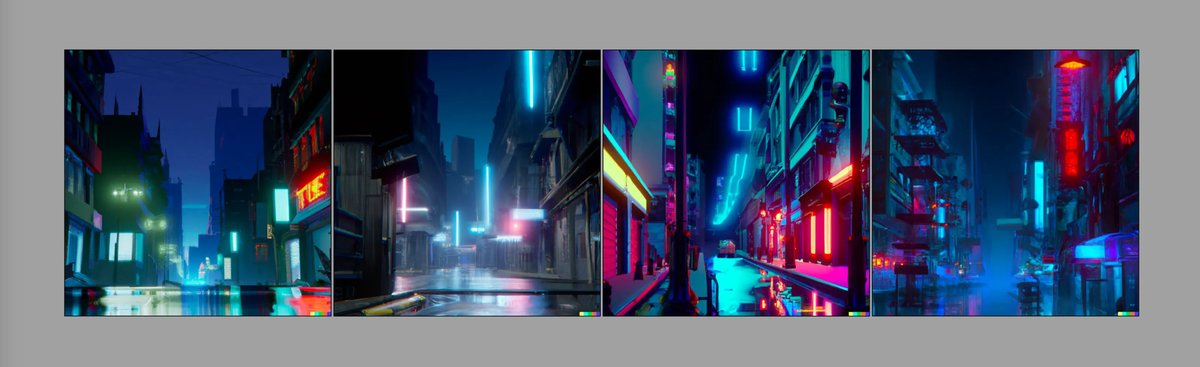
Ever stared at a blank screen, an AI image generator humming expectantly, and found your mind equally blank? You're not alone. The journey from a fleeting idea to a stunning AI-generated masterpiece often hinges on one crucial element: the prompt. While the technology behind AI art has exploded, the art of "prompt engineering" — crafting the perfect instructions for the AI — remains a significant bottleneck for many. That's where AI art prompt generators come in. These sophisticated tools, powered by their own intelligent algorithms, are designed to unlock your creative potential, turning vague concepts into vivid, actionable prompts.
This isn't just about saving time; it's about pushing the boundaries of what you thought possible, discovering new artistic directions, and consistently producing high-quality visuals. In this comprehensive guide, we've taken a deep dive, meticulously reviewing the top AI art prompt generators available today, dissecting their features, strengths, and ideal use cases.
At a Glance: Your Quick Guide to AI Art Prompt Generators
- What they are: AI-powered tools that create detailed text prompts for image generators like Midjourney, Stable Diffusion, or DALL-E.
- Why you need them: Overcome artist's block, generate complex ideas, refine artistic styles, and achieve consistent, high-quality AI art.
- Key benefit: Transform simple ideas into rich, multi-layered prompts that guide the AI more effectively.
- Variety: From minimalist inspiration tools to professional platforms offering granular control.
- Choosing wisely: Your best fit depends on your skill level, creative goals, and desired level of control.
- Expert tip: Even with a generator, learning core prompt engineering principles will elevate your results.
Beyond the Blank Canvas: Why Prompts Are Your Artistic Blueprint
Think of an AI art generator as an incredibly talented artist who understands every language but needs incredibly specific instructions. Say you tell a human artist, "Draw a cat." You might get a simple sketch. But if you say, "Draw a fluffy Persian cat, sitting majestically on a velvet cushion, in a sun-drenched Renaissance palace, with a mischievous glint in its emerald eyes, in the style of J.M.W. Turner," you're likely to get something far more compelling.
AI art models operate on a similar principle, albeit on a vastly more complex scale. They’ve been trained on billions of images and corresponding text descriptions. A generic prompt like "futuristic city" will yield generic results. But a prompt packed with details — specifying atmosphere, lighting, architectural style, camera angle, mood, and artistic influences — will guide the AI towards a truly unique and intentional piece.
This is where prompt generators shine. They act as your co-pilot, analyzing patterns from countless successful prompts to construct new, imaginative combinations. They help you articulate nuances you might not even know you wanted, transforming a vague notion into a rich textual tapestry that the AI can weave into visual gold. Without these tools, many digital artists, illustrators, graphic designers, and even hobbyists would find themselves stuck in a loop of repetitive, uninspired outputs.
How We Evaluated the Contenders: Our Review Methodology
To bring you the most useful and trustworthy insights, we put these AI art prompt generators through their paces. Our evaluation focused on several key criteria:
- Prompt Quality & Detail: Do the generated prompts go beyond the obvious? Do they include rich descriptive language, artistic modifiers, lighting cues, and stylistic elements that genuinely elevate the output?
- Customization & Control: How much agency does the user have? Can you specify themes, styles, colors, or artists, or is it purely random? Professional users often need granular control.
- Ease of Use & Interface: Is the generator intuitive for beginners, or does it require a steep learning curve? A clean, logical interface is paramount for a smooth creative workflow.
- Variety & Inspiration: Does it offer a diverse range of prompt elements, helping users break free from creative ruts? The ability to surprise and inspire is a huge plus.
- Target Audience & Use Case: Is it best for quick inspiration, educational purposes, professional artists, or specific AI models?
- Integration & Ecosystem: Does it work seamlessly with major AI image generators, or offer features that enhance the overall art creation process?
- Pricing & Access: While many offer free tiers, we considered what value paid versions (if any) provide and how restrictive free access might be.
With these points in mind, let's dive into the generators that truly stand out.
The Best AI Art Prompt Generators Reviewed for Every Artist
From seasoned professionals to budding enthusiasts, there's a prompt generator tailored for your specific needs. Here's our comprehensive breakdown:
1. AI Art Prompt Generator (prompt-generators.com)
Overview: This free, straightforward tool is a fantastic starting point for anyone dipping their toes into AI art or looking for quick, detailed inspiration. It's designed to be universally compatible, generating prompts suitable for all major AI image generators.
Key Features & Strengths:
- Broad Compatibility: No matter if you're using Midjourney, Stable Diffusion, DALL-E, or Leonardo AI, this generator aims to provide prompts that translate well across platforms.
- Detail-Oriented: It focuses on producing prompts that are rich in descriptive language, helping to define scenes, subjects, and styles effectively.
- User-Friendly: Its simplicity is a major asset, allowing users to quickly get a well-structured prompt without navigating complex settings.
Best For: Digital artists and creative professionals who need reliable, detailed prompts without much fuss. It's excellent for rapid ideation and overcoming initial creative blocks.
Considerations: While detailed, it might lack the highly specialized control offered by more professional-grade tools if you're looking to fine-tune every single aspect of your prompt.
2. Art Prompt Generator (artpromptgenerator.com)
Overview: While its name might suggest a strong AI focus, this generator actually caters more broadly to both traditional and digital artists seeking daily drawing inspiration. Its prompts lean towards practical skill-building and general creative sparks.
Key Features & Strengths:
- Daily Inspiration: Offers a continuous stream of fresh ideas, perfect for artists looking to practice regularly or explore diverse subjects.
- Skill-Building Focus: Many prompts encourage fundamental artistic exercises, making it valuable for students or those wanting to hone specific techniques.
- Unlimited Free Access: You can generate as many prompts as you like without hitting any paywalls, which is a huge bonus for consistent use.
Best For: Artists across disciplines who need a regular dose of varied creative prompts. If you're using AI art primarily for conceptualization or mood boarding for traditional projects, this can be a great free resource.
Considerations: Its primary strength isn't granular AI-specific prompt engineering. While useful for general ideas, you might need to manually add AI-specific modifiers (e.g., "4K," "octane render," "photorealistic") to optimize its output for image generators.
3. Magatsu Art Prompt Generator (magatsu.net)
Overview: Stepping into a niche, Magatsu provides curated, age-appropriate prompts, making it a unique and valuable resource, particularly for younger audiences and educational environments.
Key Features & Strengths:
- Family-Friendly Content: Ensures all prompts are safe, inspiring, and suitable for all ages, fostering creativity without exposing users to inappropriate themes.
- Educational Value: Can be a fantastic tool for teachers, parents, or art instructors looking to introduce children or students to creative exercises, including basic AI art generation.
- Simple & Focused: It streamlines the prompt generation process, making it accessible for those who might be new to digital tools.
Best For: Younger artists, educators, parents, and anyone seeking a safe, wholesome source of creative inspiration. It's ideal for school projects or family art activities involving AI.
Considerations: Its focus on age-appropriateness means it won't generate prompts for more mature or abstract artistic themes, which limits its utility for professional or avant-garde AI artists.
4. Pigeon Letters Random Generator (thepigeonletters.com)
Overview: Sometimes, you just need a quick spark without any fuss. The Pigeon Letters Random Generator delivers exactly that: a minimalist tool providing swift, randomized inspiration.
Key Features & Strengths:
- Simplicity & Speed: No complex settings, no overwhelming options – just click and get an idea. This makes it incredibly efficient for brainstorming.
- Pure Randomness: Great for breaking creative ruts by offering entirely unexpected combinations, forcing you to think outside your usual patterns.
- Quick Inspiration: If you have a general subject but need a specific twist, this generator can provide that missing element in seconds.
Best For: Artists of all kinds who value speed and simplicity above granular control. It's a superb tool for overcoming a temporary artist's block or for a fun, randomized challenge.
Considerations: Its strength is also its limitation: it offers no control over the types of prompts generated, so you'll often get very general ideas that need significant manual refinement for AI art.
5. PromptGenerator.art
Overview: Positioning itself as a professional's choice, PromptGenerator.art offers an impressive degree of granular control, making it a go-to for serious AI artists and those engaged in commercial art generation.
Key Features & Strengths:
- Granular Control: This is where it truly shines. Users can fine-tune nearly every aspect of the prompt: subject, style, mood, lighting, camera angles, materials, artistic movements, and much more.
- High-Quality Output: The free tier allows you to experience the quality of its generated prompts, which are often highly detailed and ready for direct use in advanced AI models.
- Professional Focus: Tailored for creators who need precision and consistency in their AI art, making it suitable for client work or specific artistic projects.
Best For: Experienced AI artists, designers, and commercial creators who require specific control over their outputs. If you know exactly what elements you want to combine, this tool helps you articulate them precisely.
Considerations: While powerful, its extensive options might feel overwhelming for absolute beginners. The free tier is excellent for evaluation, but full access to its advanced features will likely come with a premium.
6. QuillBot AI Art Prompt Generator
Overview: Leveraging QuillBot's established expertise in natural language processing, this generator creates exceptionally descriptive and nuanced prompts. Its strength lies in narrative and conceptual art, making it a unique asset for content creators.
Key Features & Strengths:
- Descriptive Nuance: Goes beyond simple keyword lists to craft prompts that tell a story, evoke emotion, and build atmosphere through sophisticated language.
- Narrative Focus: Particularly strong for artists looking to create conceptual pieces, illustrations for stories, or visual metaphors.
- Integration with Writing Workflows: For content creators already using QuillBot for writing, its seamless integration offers a unique value proposition, linking text generation directly to visual ideation.
Best For: Writers, illustrators, concept artists, and content creators who want their AI art to convey specific narratives, emotions, or complex ideas. It's excellent for turning written concepts into visual prompts.
Considerations: While superb for descriptive language, it might not offer the same level of technical parameter control (e.g., specific camera lenses, rendering engines) as some dedicated AI art prompt tools. You might need to add those manually.
7. promptoMANIA
Overview: A community-driven powerhouse, promptoMANIA is more than just a generator; it's an advanced platform with extensive features, template libraries, and multi-platform optimizations, cementing its status as a top choice for serious AI artists.
Key Features & Strengths:
- Advanced AI Prompt Generation: Uses sophisticated algorithms to construct highly effective and creative prompts.
- Community Features: Benefits from a vibrant user base, offering shared templates, successful prompt examples, and collaborative learning.
- Extensive Template Libraries: Provides a vast collection of pre-made templates and styles, helping users quickly jumpstart their creations or learn from others' successful prompt structures.
- Multi-Platform Optimization: Designed with various AI image generators in mind, it helps tailor prompts for optimal results across different models.
- Canvas Mode: Allows users to visually build their prompts, dragging and dropping elements, which is a game-changer for understanding prompt construction.
Best For: Serious AI artists, prompt engineers, and anyone looking for a comprehensive platform that combines powerful generation with community learning and extensive resources.
Considerations: Its advanced nature and numerous features mean there might be a steeper learning curve for absolute beginners. While it offers a free tier, limitations on usage or access to premium features might encourage upgrading for heavy users.
8. OpenArt AI
Overview: OpenArt AI offers a compelling all-in-one solution, integrating prompt generation directly with AI image creation. This provides a seamless workflow from initial idea to final polished image.
Key Features & Strengths:
- Seamless Workflow: The ability to generate a prompt and immediately feed it into an AI image model within the same platform dramatically streamlines the creative process.
- Integrated Learning Features: Provides tools and resources to help users understand how different prompt elements impact the generated images, fostering growth for serious AI artists.
- Experimentation-Friendly: The integrated nature encourages rapid prototyping and iteration, allowing artists to quickly test prompt variations.
Best For: Artists who value an integrated, efficient workflow and want to learn by doing. It’s perfect for those who want to move quickly from ideation to image generation without switching between multiple tools.
Considerations: While powerful, an all-in-one platform might mean less specialization in prompt generation compared to a dedicated, highly granular prompt-only tool. Its image generation capabilities will influence the overall cost structure.
9. NightCafe Creator
Overview: NightCafe Creator is a comprehensive AI art studio renowned for its sophisticated prompt generation capabilities across various algorithms. It's celebrated for its algorithm-specific optimizations and a thriving creative community.
Key Features & Strengths:
- Algorithm-Specific Optimization: Understands the nuances of different AI models, allowing it to generate prompts that are finely tuned for particular algorithms, potentially yielding superior results.
- Diverse Creative Styles: Offers a wide range of stylistic options and modifiers, catering to a broad spectrum of artistic visions.
- Engaged Community: Features a robust community where artists can share, comment, and collaborate, fostering inspiration and learning.
- All-in-One Studio: Beyond prompt generation, it’s a full-fledged AI art platform, offering multiple generation styles and editing options.
Best For: Artists who want a comprehensive AI art creation experience, particularly those who appreciate fine-tuning prompts for specific algorithms and engaging with a community.
Considerations: NightCafe operates on a credit system, which might limit heavy free users. While it offers excellent prompt generation, the cost can add up for extensive experimentation.
10. Lexica Art
Overview: Lexica Art is a unique and powerful platform that combines an advanced prompt generator with an extensive AI art search engine. This dual functionality allows users to explore millions of AI-generated images and deconstruct their successful prompts.
Key Features & Strengths:
- Prompt Discoverability: Its search engine allows you to find inspiration by seeing what prompts produced specific images, effectively reverse-engineering success.
- Advanced Prompt Generator: Leverages its vast database of successful prompts to generate new, high-quality, and effective creative suggestions.
- Learning-Focused Platform: It's an exceptional tool for understanding prompt engineering by showing you cause and effect – how specific prompt elements influence visual outcomes.
- Trend Awareness: Helps users stay current with popular styles and techniques by showcasing trending AI art and their associated prompts.
Best For: Learning-oriented AI artists, prompt engineers, and anyone who wants to understand why certain prompts work. It's a goldmine for research and development in AI art. You can also Explore our prompt generator art to see similar resources.
Considerations: While incredibly powerful, its interface can be complex for beginners, given the sheer volume of images and data. It requires a certain degree of analytical thinking to extract maximum value.
Beyond the Generator: Expert Tips for Crafting Killer Prompts
A great prompt generator is a powerful ally, but your own understanding of prompt engineering will truly elevate your AI art. Here are some expert tips to move from good to breathtaking:
- Be Hyper-Specific: Don't just say "tree." Say "ancient gnarled oak tree, glowing autumn leaves, clinging to a cliff edge, morning mist, golden hour." The more detail, the better.
- Use Descriptive Modifiers: Adjectives are your best friend. Instead of "house," try "dilapidated Victorian mansion, overgrown ivy, haunted atmosphere."
- Specify Artists & Styles: Want a specific aesthetic? Add "in the style of Van Gogh," "hyperrealistic," "pixel art," or "steampunk." Experiment with combining different artists for unique blends.
- Control the Lighting & Atmosphere: Lighting dictates mood. "Dramatic chiaroscuro," "soft ambient light," "neon glow," "dusk," "stormy sky" all create distinct feels.
- Define Composition & Camera Angles: Think like a photographer or filmmaker. "Close-up," "wide shot," "Dutch angle," "cinematic composition," "macro photography" can drastically change the image.
- Incorporate Negative Prompts: Many advanced AI models allow you to specify what you don't want to see (e.g.,
--no blurry, text, ugly, deformed). This is crucial for refinement. - Experiment with Weighting: Some generators (and models like Midjourney) allow you to assign importance to different parts of your prompt (e.g.,
flower:2 blue:1). This subtle control can be transformative. - Understand AI Quirks: Each AI model has its own strengths and weaknesses. What works perfectly in Stable Diffusion might need tweaking for DALL-E. Learn your chosen model's preferences.
Choosing Your Perfect Prompt Partner: A Decision Framework
With so many excellent options, how do you pick the right AI art prompt generator? Your ideal choice will depend on your unique creative goals, technical requirements, and artistic style. Use this framework to guide your decision:
1. Your Skill Level & Experience
- Beginner/Casual User: If you're just starting or want quick, easy inspiration, prioritize generators with simple interfaces and broad compatibility like AI Art Prompt Generator (prompt-generators.com) or Pigeon Letters Random Generator.
- Intermediate User: If you're comfortable with AI art but want more control and depth, look at tools offering more customization, such as NightCafe Creator or OpenArt AI for integrated workflows.
- Advanced/Professional User: For granular control, commercial applications, and specific stylistic outcomes, PromptGenerator.art and promptoMANIA will be your best bets.
2. Your Creative Goals
- Daily Inspiration/Practice: Art Prompt Generator (artpromptgenerator.com) or Magatsu Art Prompt Generator (especially for age-appropriate content) are excellent for regular creative sparks.
- Narrative/Conceptual Art: If you need richly descriptive prompts that tell a story, QuillBot AI Art Prompt Generator excels here.
- Exploring Styles/Learning: Lexica Art is unparalleled for discovering what works and reverse-engineering successful prompts.
- Specific Artistic Vision: For highly targeted results, tools like PromptGenerator.art allow you to meticulously craft your desired output.
3. Your Desired Workflow
- All-in-One Solution: If you prefer to generate prompts and images within the same platform, OpenArt AI and NightCafe Creator offer integrated experiences.
- Dedicated Prompt Generation: If you use a separate image generator and want a tool solely focused on prompt quality, most of the standalone generators will fit your needs.
- Community & Collaboration: For shared learning and resources, promptoMANIA's community features are a significant draw.
4. Budget Considerations
- Free-First: Many tools offer robust free tiers, like AI Art Prompt Generator (prompt-generators.com), Art Prompt Generator, and Pigeon Letters Random Generator.
- Freemium with Upsides: Some platforms, such as PromptGenerator.art and promptoMANIA, offer free access to core features, with premium options unlocking greater depth or higher usage limits. Consider if the added value justifies the cost for your specific needs.
Common Questions About AI Art Prompt Generators
Are AI art prompt generators "cheating"?
Absolutely not. Think of them as sophisticated brainstorming partners or creative assistants. They help overcome creative blocks and explore new ideas, but the artist's vision, curation, and final refinement remain paramount. Just as a photographer uses different lenses or editing software, an AI artist uses various tools to bring their vision to life.
Can I use AI-generated prompts for commercial work?
Yes, provided the AI image you generate from the prompt adheres to the commercial usage terms of the AI image generator itself. The prompt generator merely provides text; the legal rights pertain to the generated image. Always check the licensing agreement of your chosen AI image model.
How do I integrate a prompt generator into my existing AI art workflow?
It's straightforward. Many artists use a prompt generator as their initial ideation phase. You generate a few prompts, pick your favorite elements, refine them manually, and then paste the final text into your preferred AI image generator (Midjourney, Stable Diffusion, DALL-E, etc.). For integrated platforms like OpenArt AI, the process is even more seamless, occurring all within one interface.
Are there ethical considerations when using these tools?
The primary ethical considerations usually revolve around the AI image generators themselves (e.g., data sources, potential for misuse, copyright of generated art). Prompt generators, as text-generating tools, have fewer direct ethical concerns, but it's always wise to ensure that any prompts generated (and subsequent images) are created responsibly, respectfully, and without perpetuating harmful stereotypes or misinformation.
The Ever-Evolving Canvas: Your Next Steps in AI Art
The world of AI art is a dynamic, rapidly evolving landscape. The tools we reviewed today are at the forefront, constantly pushing the boundaries of creativity and accessibility. Whether you're a seasoned digital artist or just beginning your journey into AI-powered visuals, these prompt generators are invaluable assets.
Don't be afraid to experiment. Try a few different generators to see which aligns best with your intuitive creative process. Combine elements from different prompts, add your own unique twists, and remember that the AI is a tool – your artistic vision is the guiding force. Dive in, get inspired, and prepare to create art that truly surprises and delights, starting with the perfect prompt.